
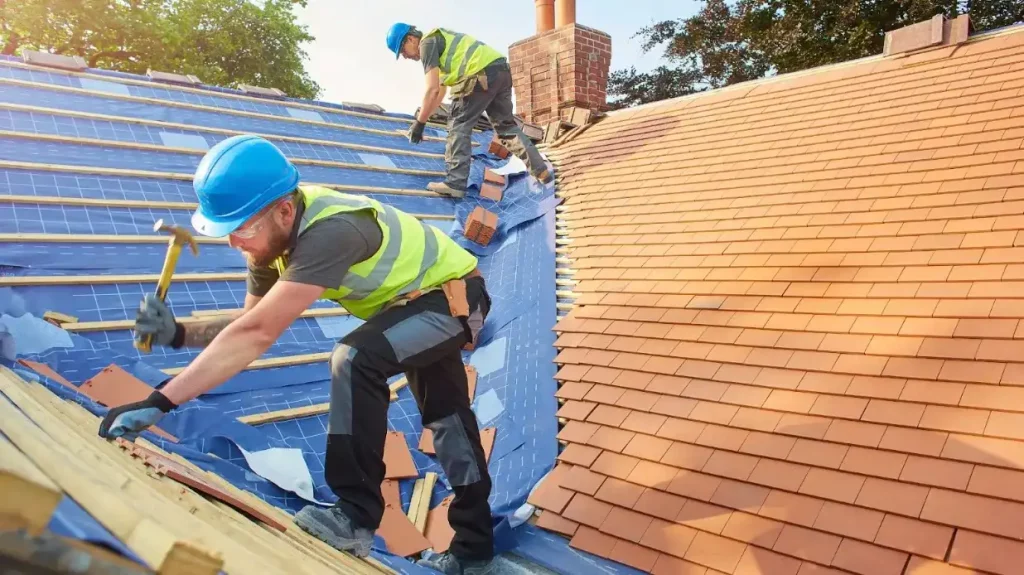
The condition of a roof plays an essential role in determining a business property’s overall value. An aging roof can deter potential buyers, signaling neglect and increasing the risk of costly repairs. Conversely, a new roof not only enhances visual appeal but also improves energy efficiency and long-term cost savings. The decision to invest in a roof replacement warrants careful consideration, as it can greatly influence marketability and community perception. What factors should property owners evaluate before making this investment?
Key Takeaways
- Replacing an old roof enhances your property’s curb appeal, attracting potential buyers and boosting overall value.
- Modern roofs improve energy efficiency, reducing heating and cooling costs while qualifying for tax credits.
- New roofing materials lower long-term maintenance costs and provide warranties for added peace of mind.
- A stylish roof can transform your property’s visual appeal, making it stand out and instilling community pride.
- Investing in a new roof signals property maintenance and care, fostering buyer confidence and potentially higher offers.
Understanding the Importance of Roof Condition for Property Value
The condition of a roof plays a pivotal role in determining a property’s overall value. A well-maintained roof not only enhances curb appeal but also assures potential buyers of structural integrity. In contrast, an old, deteriorating roof can deter interest, leading to lower offers or prolonged market presence. The benefits of replacing old roof extend beyond aesthetics; they include improved energy efficiency, reduced risk of leaks, and compliance with current safety standards. Moreover, a new roof can greatly reduce long-term maintenance costs, making the property more attractive to investors. Ultimately, investing in roof replacement is essential for maximizing property value, ensuring owners not only maintain but also elevate their stake in the real estate market.
Key Benefits of Replacing an Old Roof
While many property owners may overlook the roof’s significance, replacing an old roof offers numerous advantages that can substantially enhance property value. A new roof not only improves the aesthetic appeal of the property, making it more inviting to potential buyers but also signals to them that the property has been well-maintained. Additionally, a modern roof can mitigate the risk of leaks and structural damage, thereby reducing future repair costs. Furthermore, updated roofing materials often come with warranties, providing peace of mind to both current and prospective owners. Ultimately, the benefits of replacing an old roof extend beyond immediate visual improvements; they foster a sense of security and pride, essential elements for anyone looking to belong in their community.
Enhancing Energy Efficiency Through Roof Replacement
When considering property improvements, enhancing energy efficiency through roof replacement emerges as a critical factor that can yield significant long-term savings. An aging roof often leads to energy loss, resulting in higher heating and cooling costs. By investing in modern roofing materials with superior insulation properties, property owners can minimize energy consumption and enhance overall comfort. Energy-efficient roofs often reflect solar heat, reducing the strain on HVAC systems and promoting a more sustainable building environment. Additionally, many energy-efficient options may qualify for tax credits or rebates, adding financial incentives to the benefits of replacing an old roof. Ultimately, a new roof not only contributes to immediate savings but also reinforces a commitment to environmental responsibility, fostering a sense of belonging within the community.
Improving Aesthetic Appeal and Marketability
How might a new roof transform the visual appeal of a business property? A well-chosen roof can greatly enhance the overall aesthetics, creating a more inviting atmosphere. This transformation not only attracts potential customers but also instills pride in the local community. A modern, stylish roof can serve as a focal point, improving the perception of the business and its commitment to quality. Additionally, vibrant colors and contemporary materials can set a property apart from competitors, elevating its marketability. Potential buyers and tenants are often drawn to visually appealing properties, as they convey a sense of professionalism and care. Ultimately, the benefits of replacing an old roof extend beyond functionality, making aesthetic appeal an essential factor in enhancing property value.
Long-Term Cost Savings and Maintenance Considerations
Investing in a new roof not only enhances a business property’s aesthetic appeal but also presents significant long-term cost savings and maintenance advantages. Business owners can expect the following benefits of replacing an old roof:
- Reduced Energy Costs: New roofing materials often provide better insulation, leading to decreased heating and cooling expenses.
- Lower Repair Expenses: A new roof minimizes the frequency and cost of repairs, offering peace of mind and predictable budgeting.
- Extended Lifespan: Modern roofing systems are designed to last longer, ensuring that long-term investments yield significant returns.
Frequently Asked Questions
How Often Should a Commercial Roof Be Replaced?
A commercial roof should typically be replaced every 15 to 30 years, depending on materials and maintenance. Regular inspections and proactive repairs can extend its lifespan, ensuring long-term protection and minimizing future costs for property owners.
What Roofing Materials Are Best for Durability?
For durability, materials like metal, slate, and concrete are ideal choices. They withstand harsh weather, require minimal maintenance, and enhance property aesthetics, providing long-term value and security for business owners looking to invest wisely.
Can I Finance a Roof Replacement?
Yes, financing a roof replacement is often possible through various options such as loans or payment plans. This approach allows property owners to manage costs effectively while ensuring their roofs are updated and properly maintained.
How Does Roof Replacement Affect Insurance Premiums?
Roof replacement can lead to reduced insurance premiums, as newer roofs often meet updated safety standards. Insurers recognize the lower risk of damage, potentially resulting in cost savings for property owners, enhancing overall financial stability.
Are There Tax Benefits for Replacing an Old Roof?
Replacing an old roof may offer tax benefits, such as deductions or credits for energy-efficient upgrades. Business owners should consult tax professionals to maximize potential financial advantages associated with substantial property improvements, including roofing projects.
Conclusion
To sum up, replacing an old roof is a strategic investment that substantially boosts business property value. By enhancing aesthetic appeal, improving energy efficiency, and minimizing long-term maintenance costs, property owners can attract potential buyers while ensuring ongoing savings. A new roof not only signifies meticulous upkeep but also fosters community pride, ultimately making it an essential component in elevating marketability and securing a prosperous future for the property. Embracing this upgrade is a prudent decision for any property owner.
You May Also Like To Read: